
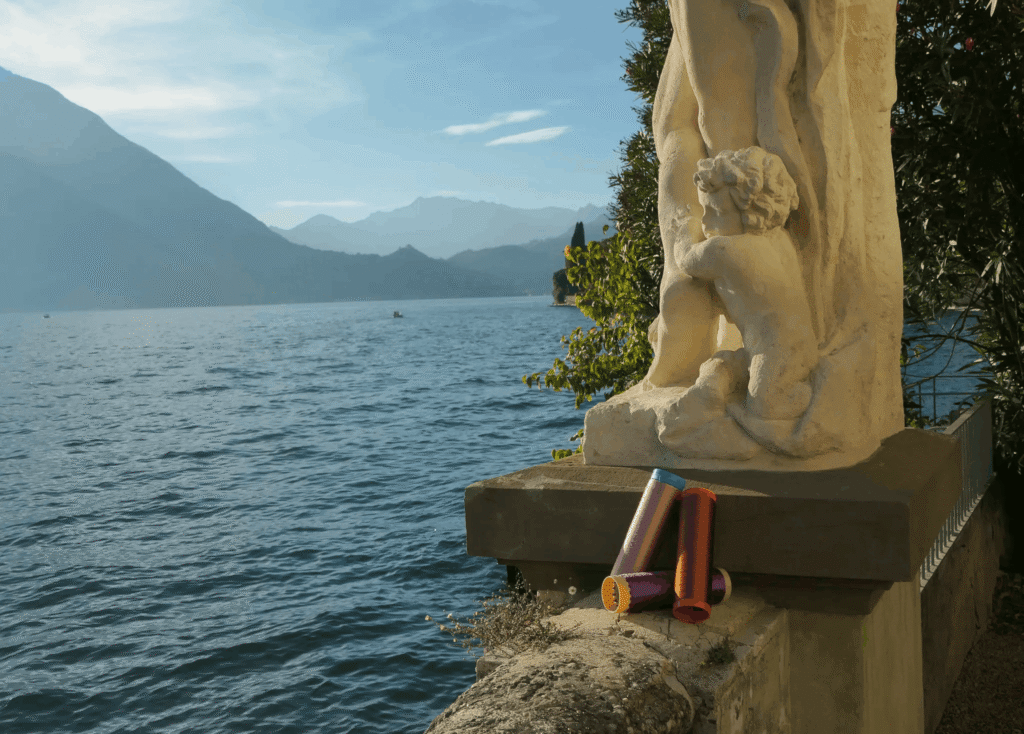
In the heart of Lombardy, Como has beaten to the rhythm of silk for centuries.
The Como region in northern Italy, and Lombardy more broadly, played a crucial role in the history of silk in Europe. Their geographic proximity and economic ties shaped a rich heritage around this industry, which reached its peak between the Middle Ages and the 19th century.
After a glorious chapter in the fashion of Ancient Rome, the silk industry was reintroduced to Italy as early as the 12th century, thanks to trade with the East and its commercial routes. Como and Milan quickly became a major center of silk production and trade, owing to a climate well suited to growing the mulberry tree, the silkworm’s food plant. The city perfected spinning and weaving techniques, notably to produce luxurious fabrics for royal courts and the wealthy merchants of Europe.
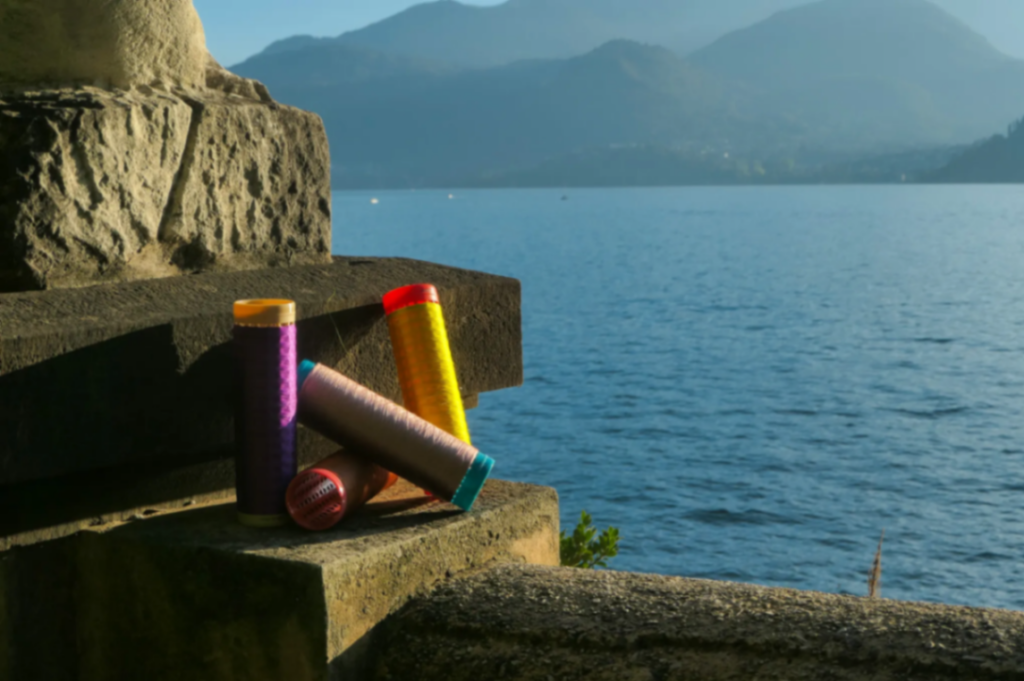
On the shores of the lake — color born of thread
In the Lugano region, a neighbor sharing similar geographic features with Lombardy, mulberry growing and sericulture developed from the 16th century onward. Ticino, though less industrialized than Milan, served as a relay and a support for the Lombard industry. Many artisans from Ticino emigrated to Milan to work in its thriving workshops.
In the 19th century, with the rise of the Industrial Revolution, Milan became a modern hub of the textile industry. Mechanical spinning mills gradually replaced hand looms, increasing productivity and establishing the city as a European center of silk. Meanwhile, activity in Como and Lugano slowly declined due to their smaller scale and growing competition.
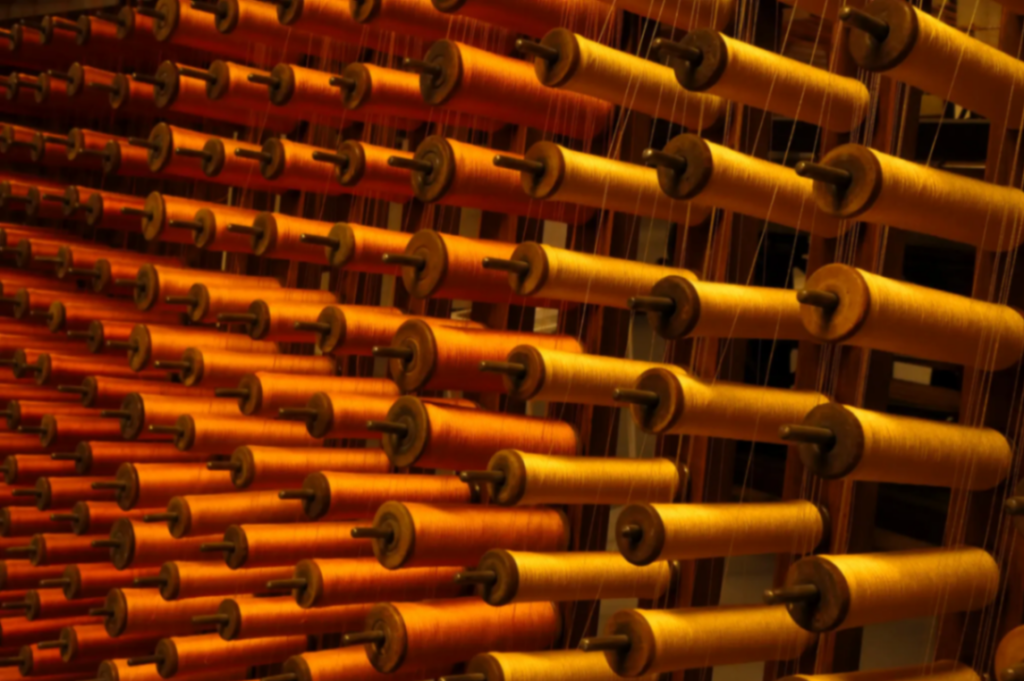
The order of the loom — a thousand threads, a single gesture
Today, although local silk production has diminished, its legacy lives on in the region through museums and cultural initiatives. Milan remains a symbol of luxury and fashion, still drawing on the prestigious image of silk, while Lugano and Como celebrate their artisanal heritage and its historic role in this cross-border exchange. Como is still home to 1,400 silk mills employing more than 15,000 people and produces 70% of Europe’s silk.